









Craps Dice Setting Controversy: A Practical Australian View
Craps dice setting controversy keeps popping up in Aussie pubs and online chat forums because players keep asking whether a careful grip actually shifts the odds. The short answer is that the maths stays fixed, but the conversation around it tells us a lot about how people approach chance-based games. If you’re weighing up where to spend an arvo, it helps to separate the folklore from the actual table conditions before you put any money down.
What the dice setting debate actually claims
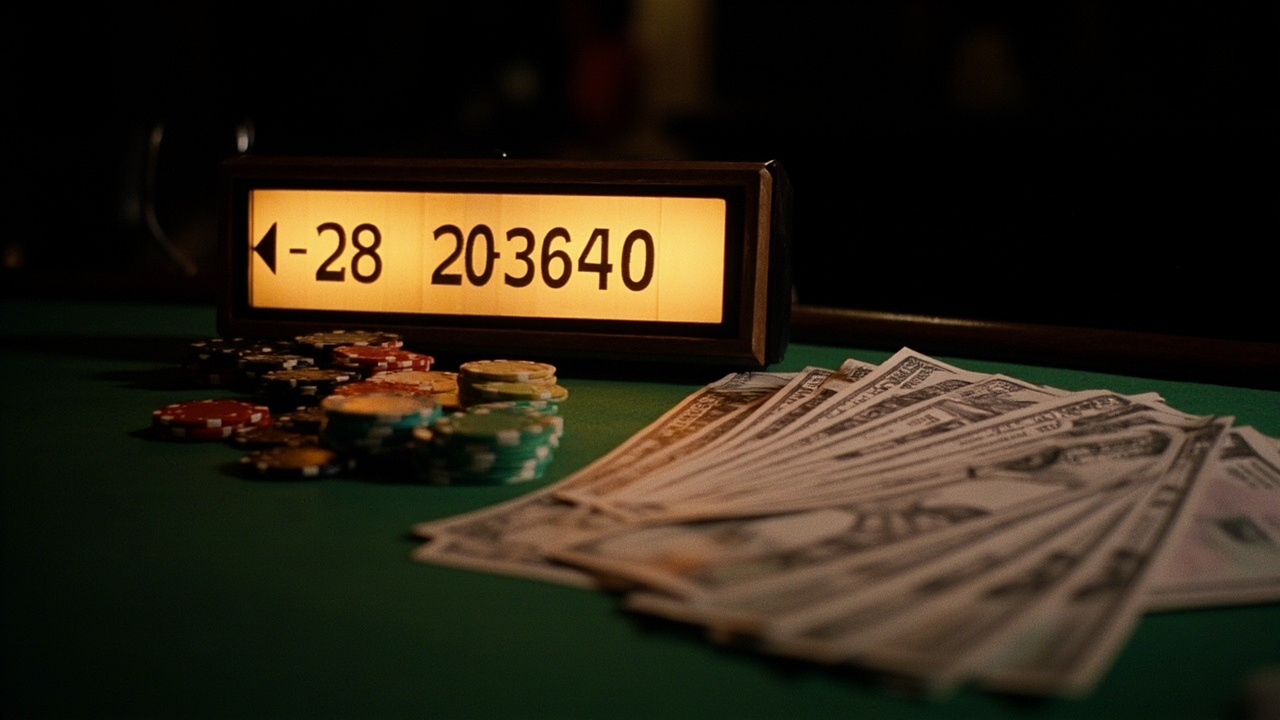
The core of the craps dice setting controversy is simple enough: some players reckon rotating the dice in your hand before the throw changes how they land, and a small crowd swears it’s a repeatable skill. The counterargument, which most operators and mathematicians back, is that a controlled throw still meets a chaotic table surface, bouncing off walls and other dice, so the house edge doesn’t move in any measurable way. That tension matters because it shapes how people talk about risk, expectation, and whether a session is “working” for them. In practice, the debate is less about proving a system and more about whether a player feels more comfortable with a ritual that gives them a sense of involvement. From a brand and customer-growth perspective, that’s the real insight: people don’t just want an outcome, they want a process they can buy into, even when the underlying odds are unchanged. That’s why the best platforms frame this stuff honestly instead of selling it as a secret edge.
For players comparing options, the craps dice setting controversy usually lands in the same bucket as other table-side myths, so it’s worth checking whether a platform even presents craps as a clear, rules-first experience rather than leaning on claims that sound more certain than they are. You can read more about how Aussie players handle payments around that kind of session at skrill withdrawal options, which is useful context if you’re thinking about how a game flows from the first throw to the end of the night.
Where the limits and trade-offs really sit
The honest read on craps dice setting controversy is that it sits in a grey zone between personal routine and mathematical reality, and that’s exactly where the trade-offs show up. A player who spends time practising a grip and release may feel more engaged, but engagement is not the same as expectation, and confusing the two is how sessions get overstated. The practical limits are straightforward: dice sets don’t rewrite the layout, the pass line and its odds still carry the same structure, and any “advantage” story needs evidence that holds up across thousands of throws, not a good arvo at a local session. That’s the kind of judgement call I’ve made before in leisure marketing, where the job is to protect trust by being clear about what a product can and can’t do. It’s a bit like the way Australian horse racing uses a handicapping system to make races more competitive: the form looks adjustable, but the race itself still runs on its own terms. The same logic applies here, because a player can control their approach without controlling the result.
If you’re testing a platform around this kind of play, the review focus should be on whether the experience stays honest when the dice don’t behave the way you hoped. That means clear rules, readable table information, and a layout that doesn’t try to dress up uncertainty as expertise. It also means thinking about how a platform fits into a real evening, because a clunky session breaks the rhythm faster than any dice-set theory ever could. The strongest products in this space don’t try to win the controversy; they make the controversy irrelevant by being easy to understand and easy to use.
| Aspect | What players often expect | What usually actually holds up |
|---|---|---|
| Dice setting impact | A measurable shift in results | No proven change to the house edge |
| Skill feel | More control over the session | More control over routine, not outcome |
| Session value | “Winning” as the only measure | Engagement and clarity can still matter |
| Platform fit | Big promises around edge | Clean rules and readable tables |
How the experience feels on mobile and in-session
Mobile usability is where a lot of this gets decided for casual players, because craps is a fast table game and a cramped interface can make even a simple throw feel like homework. A decent mobile setup should keep the table readable, the buttons easy to hit with a thumb, and the pace steady enough that you’re not waiting on lag between rounds. Performance matters here more than flashy graphics, since a session that stutters or hides key info under layers of navigation is a poor fit for a game that already asks you to follow the dice. From a digital strategy point of view, that’s the kind of detail that separates a platform people return to from one they try once and drop. I’ve seen the same pattern across entertainment products: the fun doesn’t come from overwhelming the user, it comes from removing friction so the actual activity can breathe.
That’s also why a mobile-first fit is worth judging on its own, not just as a checkbox. If the app or browser version feels responsive and the navigation stays obvious, players can focus on the table instead of hunting for the next button. If it doesn’t, the whole session gets noisy, and a noisy session is a bad look for any chance-based game. The same thinking applies to how a brand grows its customer base: people stick around when the experience is straightforward, not when they have to work to understand it.
Why the controversy still matters for Aussie players
The craps dice setting controversy keeps circulating because it touches something real: people want agency in a game that is fundamentally about chance. That’s not a weakness in the player base, it’s a feature of how leisure works, and it’s why the conversation keeps coming back. The useful bit for Aussie adults is to treat the debate as a lens on expectations rather than a blueprint for profit. If a platform leans too hard into “systems” language, that’s a warning sign; if it keeps the rules clear and the experience clean, the controversy becomes a side note instead of the whole pitch. That’s the sort of positioning call I’d make in brand growth work, where clarity usually beats hype over time.
It’s also worth remembering that this is one of those topics where a little perspective goes a long way. The Megabucks progressive slot in the US has paid jackpots exceeding US$39 million, and the Skill-based slot machines added arcade-style elements for younger players, but neither of those facts changes how a dice table behaves on a Tuesday night. What changes the experience is whether the platform is honest, readable, and easy to use. As Zoe King, Payments Strategy Director, Great Southern Betting Review, put it, “Players usually care less about the theory and more about whether the whole session feels straightforward from deposit to cash-out.” That’s a fair summary of where the real value sits. If you’re comparing options, including the kind of setup you can check at tower rush online, the main question is whether the product respects the game enough to keep things clear. No worries if the dice set never works the way some people hope; the better win is knowing what you’re actually signing up for.

About author
